
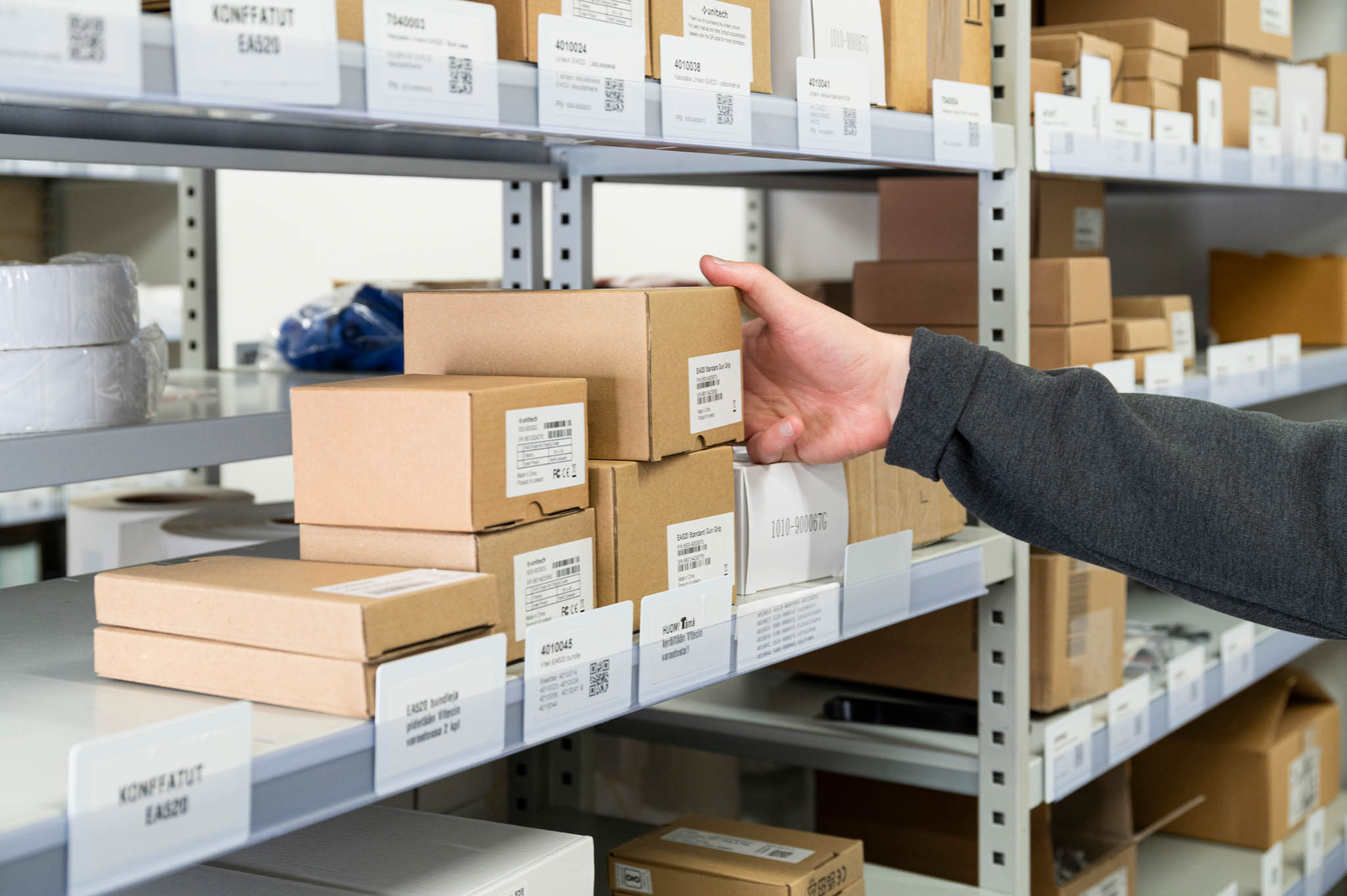
How does automatic replenishment help reduce stockouts and unnecessary orders?
Automatic replenishment is a smart inventory system that monitors stock levels and orders new items before you run out. It prevents both stockouts and overordering by tracking usage patterns and triggering purchases at optimal times. This approach eliminates manual counting, reduces emergency orders, and keeps the right amount of stock on hand without constant attention.
What exactly is automatic replenishment and how does it work?
Automatic replenishment is an inventory system that monitors your stock levels and places orders when supplies get low. The system tracks what you use, when you use it, and automatically orders replacements before you run out.
Think of it as a smart assistant for your warehouse. Instead of checking shelves manually or keeping spreadsheets updated, the system knows exactly what you have at all times. When your stock of maintenance parts drops to a set level, it automatically creates a purchase order.
The system learns your usage patterns over time. If you typically use 50 units of a particular item each month, it will order new stock with enough time for delivery. You set the rules once, and the system handles the routine ordering decisions.
This removes the guesswork from inventory management. You don’t need to remember when you last ordered something or estimate how much you need. The system makes these decisions based on actual usage data and delivery schedules.
Why do traditional inventory methods lead to stockouts and overordering?
Manual inventory tracking relies on people remembering to check stock levels, update records, and place orders on time. Human memory and busy schedules create gaps where important items get forgotten until they run out completely.
Spreadsheets become outdated quickly because someone has to manually update them every time items are used or received. When multiple people access inventory, the records often don’t reflect reality. One person takes the last item but forgets to note it down.
Manual counting takes time and often happens infrequently. You might check stock levels monthly or quarterly, missing the gradual decline until it’s too late. By the time you notice you’re low, there isn’t enough time to reorder before running out.
Fear of stockouts leads to overordering. Without reliable data on actual usage, people order extra “just in case.” This ties up money in excess inventory and creates storage problems. The warehouse fills up with items you don’t actually need yet.
Emergency orders become expensive and disruptive. When you discover you’re out of something critical, you pay premium prices for rush delivery. This creates stress and interrupts normal workflow.
How does automatic replenishment prevent running out of stock?
Automatic systems monitor inventory levels continuously and place orders before items reach zero. The system calculates lead times and usage rates to trigger orders with enough time for normal delivery schedules.
Real-time tracking means the system knows immediately when someone takes an item from inventory. There’s no delay between usage and recording. The system updates stock levels instantly and recalculates when the next order should be placed.
The system accounts for delivery schedules and supplier lead times. If your supplier needs two weeks to deliver, the system places orders two weeks before you expect to run out. This buffer ensures items arrive before your current stock is depleted.
Predictable availability reduces stress and planning uncertainty. You can count on having the supplies you need when projects come up. Teams can focus on their actual work instead of hunting for missing parts or waiting for emergency deliveries.
The system also handles seasonal variations and changing usage patterns. If your consumption increases, it adjusts order timing accordingly. This flexibility prevents stockouts even when business conditions change.
What stops automatic systems from ordering too much inventory?
Smart replenishment systems use historical usage data and demand forecasting to order appropriate quantities. Instead of guessing, the system calculates exactly how much you need based on actual consumption patterns and future requirements.
The system tracks usage velocity for each item. If you typically use 20 units per month, it orders enough to cover your needs until the next delivery cycle. It doesn’t order extra unless usage patterns indicate increased demand.
Maximum stock levels prevent accumulation of excess inventory. You set upper limits for each item based on storage space and cash flow needs. The system won’t order more than these predetermined maximums, even if usage temporarily increases.
Demand forecasting considers trends and seasonal patterns. If certain items are used more heavily during specific periods, the system adjusts order quantities accordingly. This prevents both shortages during busy periods and excess stock during slow times.
Regular usage analysis helps optimize order quantities over time. The system learns from experience and refines its calculations. Items that consistently have excess stock get smaller, more frequent orders. Fast-moving items get priority attention.
This approach reduces carrying costs and frees up working capital. Money isn’t tied up in inventory sitting on shelves. Storage space stays manageable, and you avoid waste from items becoming obsolete.
How much time and money does automatic replenishment actually save?
Automatic replenishment eliminates the time spent manually counting inventory, updating spreadsheets, and creating purchase orders. Tasks that previously took hours each week happen automatically in the background without human intervention.
Emergency orders become rare, saving both rush delivery fees and the time spent managing urgent situations. Instead of paying premium prices for expedited shipping, you receive regular deliveries at standard rates. The stress of scrambling to find critical items disappears.
Staff can focus on productive work instead of inventory management. The mental load of remembering to check stock levels and place orders is removed. People spend their time on tasks that directly contribute to business goals.
Fewer inventory mistakes reduce costs and frustration. You avoid buying duplicate items because the system tracks what you already have. Obsolete stock decreases because ordering matches actual usage patterns.
Cash flow improves because money isn’t tied up in excess inventory. You carry optimal stock levels rather than ordering large quantities out of uncertainty. This frees up working capital for other business needs.
The predictability of automated replenishment creates a calmer work environment. Teams know they can rely on having necessary supplies available. This reduces interruptions and allows for better project planning and execution.
How Simple Storage helps businesses with automatic replenishment
Simple Storage specializes in transforming traditional inventory management into smart, automated systems that prevent stockouts and overordering. Our solution combines advanced tracking technology with intelligent software to create seamless replenishment processes tailored to your specific business needs.
Our comprehensive approach includes:
- RFID and NFC tracking systems for real-time inventory visibility
- Custom integration with your existing business systems and suppliers
- Intelligent algorithms that learn your usage patterns and optimize order timing
- Comprehensive reporting and analytics to monitor system performance
- Ongoing support and system optimization to ensure maximum efficiency
We work with businesses across various industries to implement automatic replenishment systems that reduce costs, save time, and eliminate inventory stress. Our clients typically see significant improvements in cash flow, reduced emergency orders, and better overall operational efficiency within the first few months of implementation.
Ready to transform your inventory management? Contact Simple Storage today to learn how our automatic replenishment solutions can streamline your operations and give you complete control over your inventory without the constant worry about stock levels.
Related Articles
- Is Simple Storage cost-efficient for equipment rental businesses?
- Can Simple Storage help reduce overhead in large enterprise operations?
- How does tracking who took what reduce internal loss and associated costs?
- Can using Simple Storage reduce storage waste and save money?
- Is Simple Storage cost-effective for both small and large inventories?