
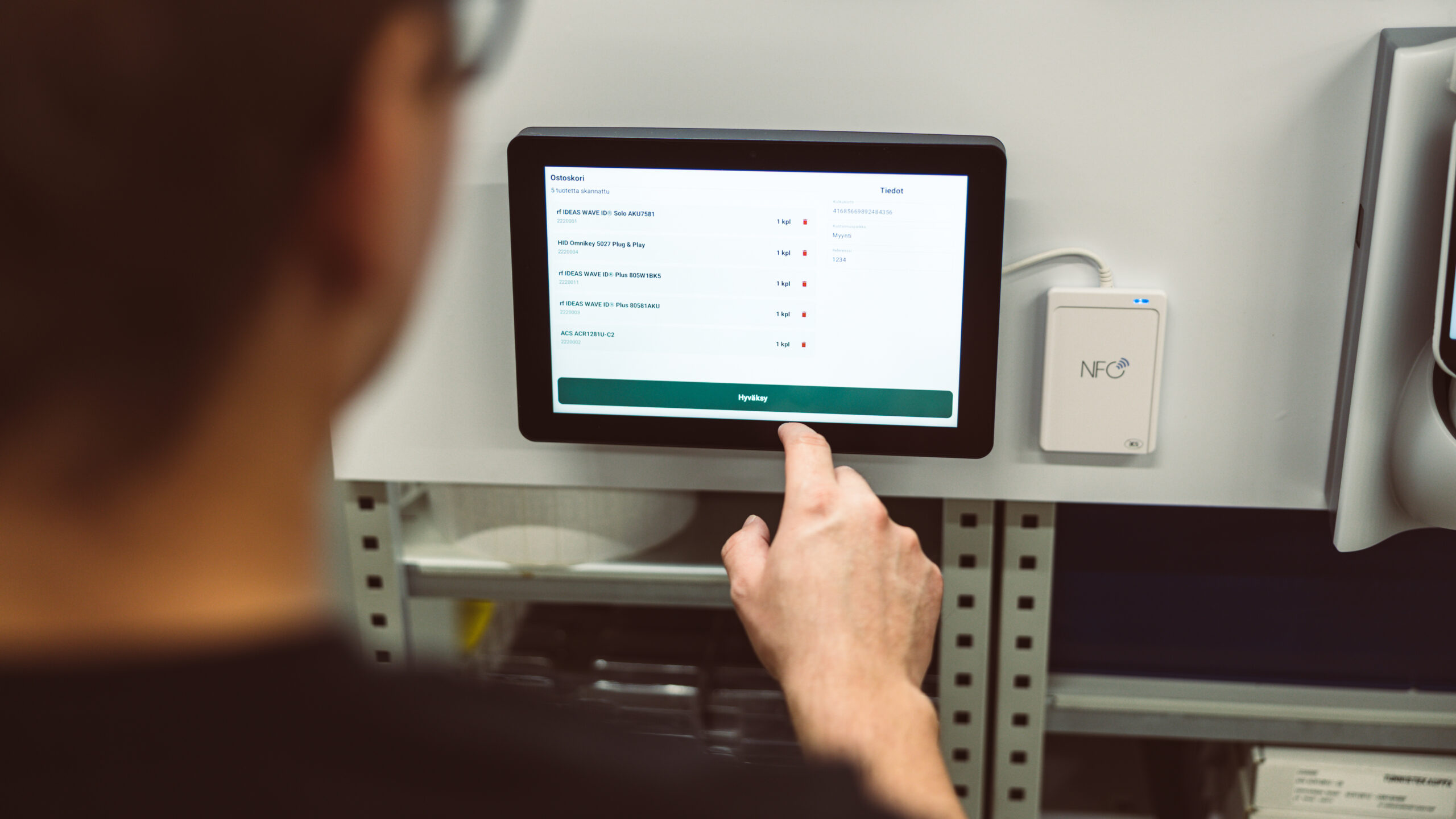
Warehouse Inventory Dashboard – Real-Time KPIs for B2B Operations
You ordered more stock last week. But half of it was already sitting in a corner of the warehouse, unaccounted for. That kind of blind spot does not just feel frustrating. It costs real money.
A warehouse inventory dashboard gives your operations team a live view of what is actually in stock, what is moving, and what needs attention right now. No spreadsheets. No guesswork. No end-of-day surprises.
When inventory blind spots cost B2B operations real money
Most B2B operations do not have a shortage of data. They have a shortage of timely data. By the time a weekly report lands in your inbox, the situation on the floor has already changed.
The result? Overstocking items you do not need, running out of items you do, and spending hours every week on manual counts that still come back wrong.
Here is what poor inventory visibility typically looks like in practice:
- Stock discrepancies discovered only during monthly audits
- Procurement decisions made on outdated numbers
- Time wasted searching for items that should be easy to locate
- Shrinkage that goes unnoticed until it becomes a serious loss
- Delivery delays caused by stock that was assumed to be available
These are not edge cases. They are everyday realities for operations teams relying on static reports instead of live data.
What a real-time warehouse dashboard actually tracks
A real-time warehouse dashboard is not just a prettier version of a spreadsheet. It is a live window into your warehouse, updating automatically as stock moves in and out.
The key difference between a static report and a live dashboard comes down to timing and action:
- Static report: Shows you what happened. Updated manually. Often days old by the time you read it.
- Live dashboard: Shows you what is happening right now. Updated automatically. Actionable immediately.
The real-time KPIs a warehouse dashboard can surface include:
- Current stock levels per item and location
- Who took what, and when
- Items approaching reorder thresholds
- Movement history for individual products
- Alerts when stock drops below a set level
When your team can see this information at a glance, decisions happen faster and with more confidence. Want to see how this looks in practice? Explore our Simple Cloud dashboard to get a feel for what live inventory data looks like.
How RFID and NFC power instant inventory counts
Traditional inventory counts are slow, manual, and prone to human error. The reason a live dashboard can update in real time is because the physical counting happens automatically in the background.
Each item in the warehouse carries a small tag. When products move, the system registers it instantly. No one needs to scan anything by hand or update a spreadsheet.
Our smart cabinet can count up to a thousand items in ten seconds. That kind of speed makes continuous, accurate inventory tracking genuinely practical for the first time.
The benefit for your team is simple: the numbers on your dashboard reflect reality. Always. You can trust what you see, which means you can act on it.
This is what makes smart warehouse solutions different from traditional warehouse management. The technology works quietly in the background so your people do not have to.
Connecting the dashboard to your existing B2B systems
One of the most common concerns we hear is: “Will this work with the systems we already use?” The answer is yes.
Our B2B inventory management solution connects to your existing software through a standard interface. Whether you use an ERP, a procurement platform, or your own internal tools, the inventory data flows in without friction.
This matters because the dashboard becomes far more powerful when it talks to the rest of your operation. Automatic replenishment orders, cost allocation, and usage reporting all become possible when your systems share data.
You can read more about how real-time stock visibility works across the supply chain to understand the full picture of what connected inventory data can do for your operation.
Why Aksulit’s two decades of RFID expertise matter
We have been building inventory tracking systems since 2003. That is over twenty years of working with real warehouses, real operations teams, and real problems.
We are not a large software company rolling out a generic product. We are a small, focused team based in Laukaa, Finland. We work closely with every client to make sure the solution fits the actual workflow, not just the ideal one.
Our warehouse analytics and tracking tools are used across maintenance supply stores, equipment rental operations, and wholesale distribution points. Each deployment teaches us something that makes the next one better.
That depth of experience means we spot problems early, configure systems that actually stick, and stay involved after go-live. We know that a dashboard is only useful if people trust it and use it every day.
Curious about how automatic replenishment fits into the picture? Our article on how automatic replenishment reduces stockouts walks through the logic in plain terms.
Get your warehouse dashboard up and running
Getting started does not require a long implementation project or a big internal IT effort. We handle the setup and make sure everything connects to your existing systems before you go live.
Here is what the process looks like:
- We talk through your current setup and what you want to track
- We configure the system to match your warehouse and workflows
- Your team gets a live dashboard they can use from day one
- We stay available as your operation grows or changes
Simple Storage, our core warehouse management solution, is built for exactly this kind of rollout. It gives your team continuous stock visibility, automatic balance updates, and the confidence that comes from knowing your numbers are right.
If you want to see what a live inventory tracking dashboard looks like for an operation like yours, take a look at Simple Cloud or get in touch with us directly. We are happy to walk you through it without any pressure.